
Lucki Casino Complaints from the UK: Safe Steps and Dispute Routes
 Available in GB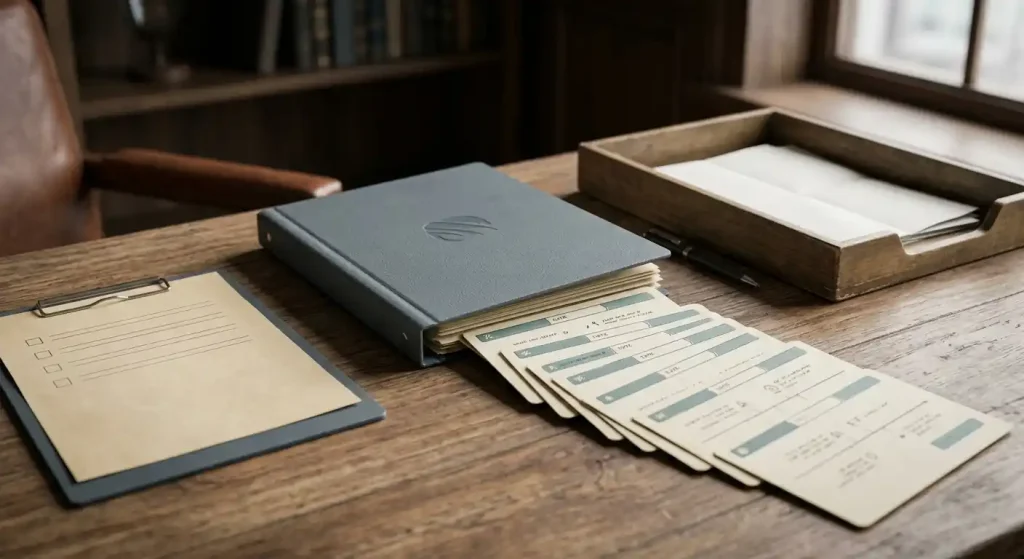
Lucki UK Guide editorial team · 9 June 2026
UK Gambling Commission alternative dispute resolution coverage cannot be assumed for Lucki Casino complaints. No UKGC licence has been verified for the brand, the domains lucki.casino and lucki9.casino, or the operator Non Videri B.V., and the operator’s own Terms and Conditions place the United Kingdom inside a general restriction on registration and use of the service. That regulatory position changes the realistic escalation routes available to a British complainant. This page sets out the practical steps that still apply – evidence preservation, structured contact with the operator’s published support channels, and understanding what UK regulators can and cannot do for an unlicensed brand – without promising any specific outcome.
Sort the complaint type before anything else
Casino complaints fall into a small number of recurring categories, and the right next step depends on which one applies. Payment and withdrawal disputes – funds not received, a withdrawal cancelled or delayed beyond stated processing times, a balance closed for reasons that look unclear – turn on operator policy and on the payment provider’s own rules. Bonus and wagering disputes turn on the exact promotional terms in force when the bonus was claimed. Account-closure or verification disputes turn on the operator’s KYC handling. Responsible-gambling-related disputes – particularly anything connected to self-exclusion or financial vulnerability – sit alongside safety considerations and may warrant talking to a helpline before continuing the financial dispute. The self-exclusion context page covers the safer-gambling side of the picture.
Knowing which category applies sharpens the evidence to gather and the language to use when contacting the operator. A mixed complaint that tries to cover several categories at once tends to get a slower or weaker response than a single, well-scoped one.
Build a clean evidence file
Whatever the category, a structured evidence file is the foundation of any complaint that may need to escalate. The components are consistent across cases. A timeline of events with dates and times, written in plain language rather than partial recollection. Copies of the operator’s public Terms and Conditions and any specific bonus or promotional terms relevant to the dispute, captured as they read at the time the action took place. Account-history exports or screenshots showing deposits, wagers, balances and the disputed transaction. Copies of every message exchanged with operator support – both the original messages sent and the responses received – with timestamps preserved. Where payments are involved, statements from the payment provider showing the transaction direction and status.
Keeping these materials in one organised place is more useful than the volume of material. A complainant who can produce a clear timeline backed by source documents is in a much stronger position than one with a longer but disorganised file. The work is best done early rather than after the operator’s first response – what looks like a minor detail at the start can become decisive later.
Use the operator’s published support channels first
Industry references for Lucki Casino describe customer-service availability that includes 24/7 chat and a support and complaints email channel. The first round of contact should go through whichever of those channels the operator’s own Help or Contact page identifies as its formal complaints route. The opening message should state the complaint type, the relevant dates, the amounts or actions in dispute, and what outcome is being requested. A reference to the specific clause or promotional term being relied on helps when one is available.
Keep the exchange in writing. A live chat is fine as a first contact, but the substance of the complaint should also be sent by email so there is a durable record of what was said and when. Operators that take complaints seriously will give a complaint reference number and a stated turnaround time; if neither appears, asking for both explicitly is a reasonable step. The Lucki general features background page records the support channels the brand publishes as general reference material.
What UKGC alternative dispute resolution does – and does not – cover
For UKGC-licensed remote gambling operators, complaint handling is an LCCP-regulated activity, and licensees must signpost an approved alternative dispute resolution provider when a complaint cannot be resolved directly. The Gambling Commission itself does not adjudicate individual consumer disputes, but it does enforce the standards under which licensees operate, and an ADR provider can examine a dispute that has gone through the operator’s internal procedure.
Those routes do not extend to a brand whose UKGC licence has not been verified. For Lucki Casino, the absence of a verified Public Register match means UK ADR coverage cannot be assumed, and the Gambling Commission’s enforcement role does not reach the operator in the same way it reaches a licensee. The UKGC register check page sets out how to confirm the position independently, and the broader Lucki licence status review puts the result in context.
Other channels and what they can realistically do
Outside the UKGC framework, several other channels exist, and being honest about their reach matters. The payment provider – card scheme, bank or e-wallet – has its own dispute rules and timelines, particularly around chargebacks; for many British complainants this is the most effective practical route when the dispute concerns a specific transaction. The offshore regulator named in the brand’s licensing reference (a Curaçao authority for Lucki, per independent industry sources) has its own complaint procedures with their own scope and limits. Trading-standards services and general consumer-protection routes in the UK can be approached for advice rather than enforcement against a non-UKGC operator. None of these channels guarantees recovery, and treating them as the same kind of remedy that UKGC-licensed brands offer would be misleading.
Third-party review sites and forums can be useful for context – what other people have experienced with the same brand and category of dispute – but their content does not establish facts about the operator and should not be cited as evidence in a complaint. Allegations from review pages are indicators worth being aware of, not material that strengthens a specific case.
What not to do
Some actions tend to make a complaint weaker rather than stronger. Do not delete account history, even partial messages, before the dispute is resolved. Do not threaten public escalation as the opening tactic; it tends to slow legitimate operator processes down. Do not accept a partial settlement without understanding what rights it forecloses. Do not share payment-card details, full account passwords or one-time codes with anyone presenting as customer support – operator staff do not need them to investigate a dispute. And do not pursue offshore-routed “recovery agents” who promise to retrieve funds from foreign operators for an upfront fee; that market is heavily populated by secondary scams.
Where this leaves UK complainants
The combined reading for Lucki Casino is that the licensed-market complaint apparatus does not apply, and the realistic routes are direct operator escalation through published channels, payment-provider dispute mechanisms and offshore-regulator procedures. The UKGC alternative checklist is useful prospectively – for choosing where to play next – and the GamStop and non-GamStop risks page connects to the safer-gambling side if any part of the dispute touches on self-exclusion or vulnerability. The combined approach prioritises evidence, realistic expectations and getting help where it is actually available.
Lucki Casino Complaints from the UK — More on this topic at lucki casino.
See also Lucki Casino and GamStop.
Lucki Casino UKGC Licence and Trust Review for UK Searchers
Prepared by the Lucki Casino editorial staff.